
Rhubarb (rubarba) este o plantă perenă caracterizată prin tulpinile sale comestibile, asemănătoare cu țelina, de obicei roșii, și are un gust acrișor. Rhubarb, o legumă bogată în vitamine, minerale și antioxidanți, este o alegere sănătoasă în timpul sarcinii datorită numeroaselor sale beneficii pentru sănătate.
Este sigură rubarba în sarcină?
Rhubarb is a healthy choice during pregnancy due to its many health benefits. It is safe to consume during pregnancy, as it poses no risk to the pregnancy. However, pregnant women should ensure to eat only the stalks of the vegetable and not the leaves. Rhubarb leaves are inedible, so they shouldn’t be consumed anytime, especially during pregnancy. Rhubarb leaves can also be poisonous and cause breathing difficulties, seizures, kidney stones, coma, vomiting, or stomach pain.
Beneficiile rubarbei pentru femeile însărcinate
- Rhubarb is a good source of vitamin C, calcium, and fibre, is essential for the health of both the mother and baby.
- It has a high fibre content.
- Rhubarb is a rich source of antioxidants. Antioxidants help boost and strengthen the natural defence of the body.
- Rhubarb is relatively low in calories and contains fibre, which can help stabilise blood sugar levels.
Riscuri și precauții
Though there are many benefits to eating rhubarb during pregnancy, there are still a few risks in consuming it during pregnancy. Rhubarb is acidic, so it should be eaten in limited quantities. Eating too much or in large quantities can cause calcium deficiency in pregnant women, as it contains a high quantity of oxalic acid. Pregnant women should exercise caution with rhubarb tea due to its oxalic acid content, which can be harmful if consumed excessively.
While rare, some individuals may experience allergic reactions to rhubarb, particularly if they have sensitivities to certain fruits or vegetables. Symptoms may include itching, swelling, or hives.
Ghid de preparare și recomandări de consum
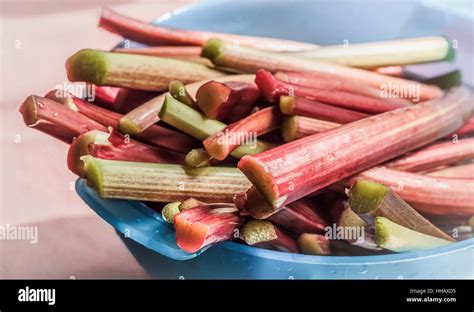
Select bright-coloured rhubarb stalks, avoiding any signs of wilting or discolouration. Rinse the stalks well under running water to eliminate any dirt or debris. Slice the stalks into small pieces. Due to rhubarb’s tartness, a small amount of natural sweetener, like maple syrup or honey, can be added.
Steaming is an excellent way to cook rhubarb while preserving its nutrients. Place the chopped rhubarb in a steamer basket or colander over boiling water. For a softer, sweeter result, stew the rhubarb. Combine the chopped pieces with water and natural sweetener in a saucepan. Cook rhubarb on low heat for a short duration to retain its nutritional value. Ensuring proper preparation and cooking is crucial to maximising these benefits.
Rețete sigure și idei de servire
It is best to eat rhubarb in dishes safe for pregnant women to get its benefits without any risks.
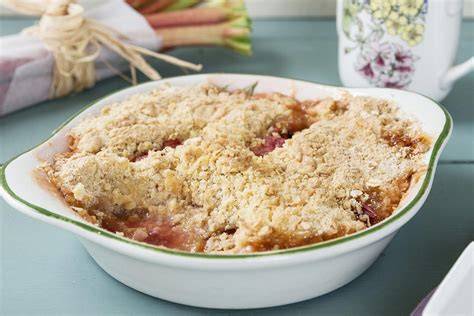
- First, wash the rhubarb and trim its ends to prepare the filling. Now, cut the orange in half. Cut and slice the other half of the orange into thin slices. To prepare the crumble, take a bowl and add butter, flour, and oats. Serve the Rhubarb and Orange crumble.
- In a pan, slowly and gently poach the rhubarb in orange juice and zest. Mash the rhubarb to break all large pieces.
- Using a scissor, cut the crusts or edges of bread or Panettone. The slices should completely cover the sides and bottom of the ovenproof dish. Sprinkle a bit of sugar on the butter layer. Apply melted butter with a pastry brush to both sides of the bread or Panettone pieces. Spoon the rhubarb mixture from the pan into the ovenproof dish. Spread evenly and cover with the remaining bread or Panettone pieces.
Alternative sănătoase la rubarbă
There are several other healthy alternatives that can provide benefits similar to those of rhubarb during pregnancy.
- Spinach is rich in folate, iron, and calcium, making it an excellent alternative to rhubarb. These nutrients are essential for fetal development and maternal health.
- Kale is another nutrient-dense leafy green that offers high levels of vitamins A, C, and K, calcium, and iron.
- Swiss chard is an excellent source of vitamins A, C, and K, magnesium, and potassium. It supports bone health and helps in managing blood pressure.
- Sweet potatoes are packed with beta-carotene, which the body converts into vitamin A, crucial for fetal growth and development. They also provide fibre and potassium.
- Berries, such as strawberries, blueberries, and raspberries, are rich in antioxidants, vitamins, and fibre. They can boost the immune system and support overall health during pregnancy.
Context general: ce alimente să eviți în sarcină
The general advice is to continue eating healthily and varied according to the food pyramid. However, there are some exceptions to this rule. It's well known that alcohol should be off the menu for now, and raw fish and smoking are definite no-gos during pregnancy. But what else should you avoid or can you enjoy?
Eating (semi) raw meat, soft cheese made from raw milk, or improperly washed vegetables can increase the risk of infection with the Listeria bacteria or Toxoplasma gondii. Raw meat and raw milk. Eating raw meat like steak tartare, raw beef sausage, and raw ham can lead to food infections like toxoplasmosis. Smoked ready-to-eat fish from the fridge and raw fish. Think of herring, raw shellfish like shrimp, mackerel, and tuna. Raw eggs or products containing raw eggs. Raw sprouts. Like bean sprouts, cress, or alfalfa. Cheese made from raw milk.
Certain herbs containing substances linked to pregnancy complications are advised against. St. Breastfeeding tea: Based on anise, caraway, and/or fennel is advised against during pregnancy and surprisingly also during breastfeeding. These herbs contain aromatic substances (alkenylbenzenes like estragole, trans-anethole, and d-carvone) that may be harmful to your baby. Turmeric: Too much turmeric can cause your uterus to contract and menstruation to occur.
Coffee and other caffeine-containing drinks like tea and cola. Most doctors advise pregnant women not to consume more than 200 mg of caffeine per day, which equates to a maximum of 3 cups per day. Liver products. Red meat. Be moderate with red meat. This refers to meat from cows, sheep, goats, and pigs. Fish. Twice a week fish, but choose fish with little or no harmful substances. So, preferably no eel, mackerel, or tuna.
Recomandări practice pentru o sarcină sănătoasă
- Unlimited vegetables and fruit. Ensure they are well washed if you want to eat them raw.
- Whole grain products. Think of whole grain bread, pasta, and brown rice.
- Legumes. At least once a week legumes like brown beans, lentils, or chickpeas.
- Nuts. A handful of unsalted nuts daily.
- Dairy products. Consume dairy products like yoghurt, quark, or buttermilk daily to ensure sufficient calcium intake.
- Fluids. Drink at least 1.5 litres of fluid per day.
Since your body's needs are significantly higher than usual, it may be important to use specific supplements as an addition. Folic acid is one of the vitamins that is very important and is recommended even before pregnancy.
Siguranța alimentară: recomandări pentru femeile însărcinate
Sfaturi finale privind rubarba
Rhubarb and pregnancy go together with careful consideration; expectant mothers need to consult with their healthcare provider regarding its consumption to ensure the safety of both mother and baby. Pregnant women should always consult their doctors before consuming any rhubarb medication. Don't be put off by the no-gos because there is still plenty of variety possible with your diet.
tags: #rubarba #poate #fi #consumsta #in #sarcina
Postări populare:
- Cum să reduci panica în timpul primelor plimbări cu bebelușul
- Ziua mondială a prematurității: înțelegerea semnificației, cauzelor și impactului asupra dezvoltării copilului
- Jocuri educative pentru cei mici: recomandări actualizate
- Ghiseul diagnostic al anemiei postpartum: recomandări și tratament
- Avantajele folosirii maternitatilor in acvaristica: ghid practic